Soundproofing bedrooms in busy neighborhoods: Double-glazed windows and acoustic foam: common mistakes that cost you money
The Rude Awakening: When Your Bedroom Becomes a Front-Row Seat to City Life
At 3 AM, you're lying in bed listening to a delivery truck's reverse beeping, a couple arguing outside a bar, and someone's car alarm that's been going off for twenty minutes. Welcome to bedroom acoustics in a busy neighborhood. You've probably Googled solutions and found yourself torn between two popular options: installing double-glazed windows or covering your walls with acoustic foam panels.
Here's the thing—most people waste hundreds (sometimes thousands) of dollars because they don't understand what these solutions actually do. Spoiler alert: they're not interchangeable, and using the wrong one for your noise problem is like bringing a knife to a gunfight.
Double-Glazed Windows: The Heavy Hitter
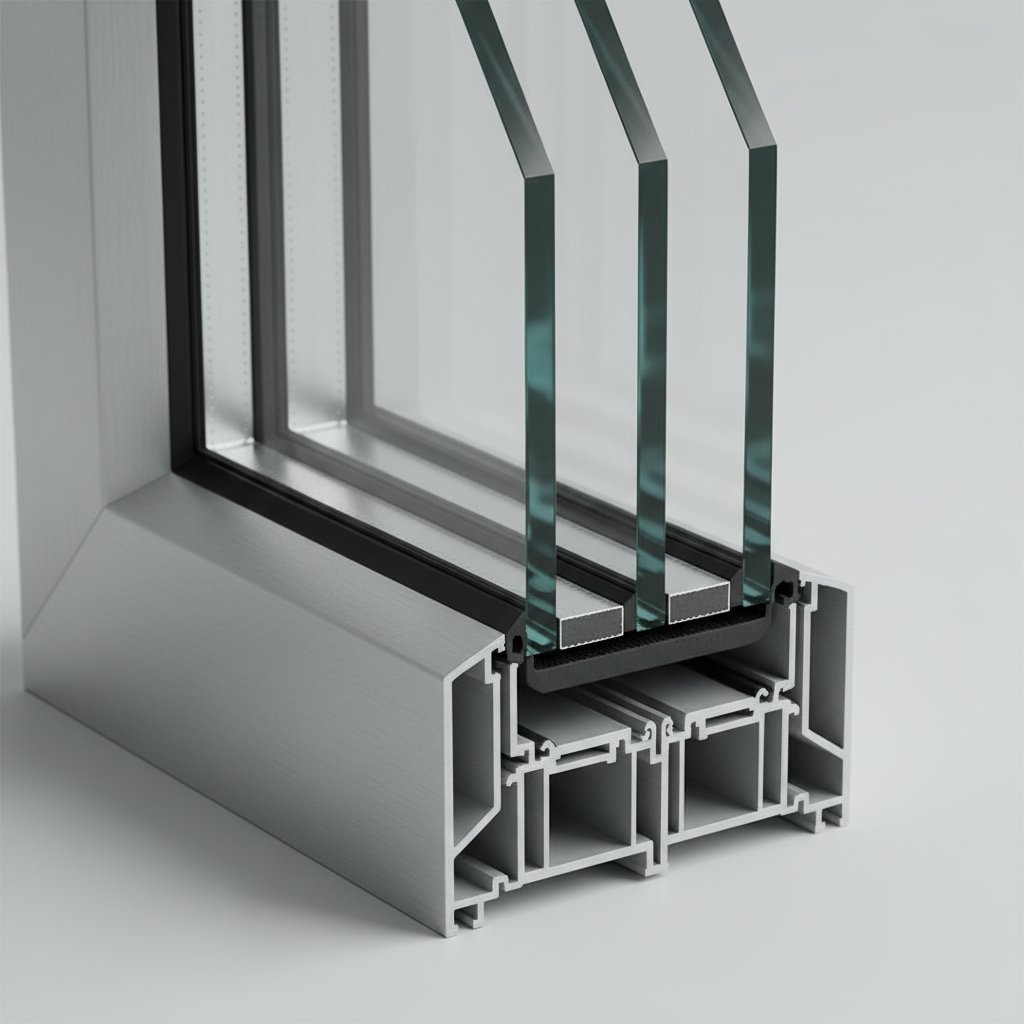
Double-glazed windows consist of two panes of glass separated by a gap (usually 6-20mm) filled with air or inert gas. Think of them as the bouncers of the window world.
The Upside
- Blocks external noise like a champ: Quality double-glazing reduces outside noise by 25-35 decibels. That's the difference between standing next to a vacuum cleaner and having a normal conversation.
- Energy efficiency bonus: You'll cut heating bills by roughly 10-15% annually. Not why you bought them, but your wallet won't complain.
- Actually increases property value: Estate agents report a 5-10% bump in home valuations when quality windows are installed.
- Permanent solution: Once installed, they work 24/7 for 20+ years without maintenance.
The Downside
- Price tag hurts: Expect £400-800 per window for decent quality. A typical bedroom with two windows? You're looking at £800-1,600 minimum.
- Installation hassle: Professional fitting takes 2-4 hours per window. You can't DIY this unless you're a glazier.
- Won't fix interior echo: If your room sounds hollow or voices bounce around, double-glazing does absolutely nothing for that.
- Rental nightmare: Landlords rarely approve permanent alterations. You're stuck if you're renting.
Acoustic Foam: The Interior Designer
Those wedge-shaped panels you've seen in recording studios? That's acoustic foam. It absorbs sound waves bouncing around inside your room.
The Upside
- Dirt cheap entry point: A pack of 12 panels (covering about 2 square meters) runs £20-50. You can treat a whole bedroom wall for under £100.
- Instant gratification: Peel-and-stick installation takes 30 minutes. Seriously, your grandmother could do it.
- Kills echo and reverb: Makes your room sound "tighter" and less hollow—great if you work from home or record content.
- Renter-friendly: Most versions remove cleanly. Just don't mention them in your lease negotiation.
The Downside
- Useless against external noise: That garbage truck at 6 AM? Foam panels reduce it by maybe 2-3 decibels. You'll still hear everything.
- Looks like a recording studio: Unless you're into that aesthetic, foam panels scream "I make YouTube videos in here."
- Deteriorates faster: Cheap foam crumbles after 3-5 years. Quality stuff lasts longer but costs more.
- Fire safety concerns: Budget foam can be flammable. Always check fire ratings—Class A or Class 1 rated foam is non-negotiable.
Head-to-Head Breakdown
| Factor | Double-Glazed Windows | Acoustic Foam |
|---|---|---|
| Cost | £800-1,600 per bedroom | £50-150 per bedroom |
| Installation Time | 4-8 hours (professional) | 30-60 minutes (DIY) |
| External Noise Reduction | 25-35 decibels | 2-3 decibels |
| Internal Echo Control | None | Excellent |
| Lifespan | 20+ years | 3-8 years |
| Renter-Friendly | No | Yes |
The Costly Mistakes People Actually Make
Mistake #1: Buying foam to block traffic noise. I've seen this disaster dozens of times. Someone drops £200 on premium foam panels, carefully installs them, then realizes the bus stop outside still sounds like it's in their bedroom. Foam treats sound inside your room—not sound trying to get in.
Mistake #2: Installing double-glazing but leaving gaps. Even a 1mm gap around your window frame destroys 30% of the soundproofing benefit. You need proper seals and professional installation. That £600 DIY kit from the hardware store? You'll regret it.
Mistake #3: Covering every wall with foam. You only need 15-25% wall coverage for effective echo control. More than that wastes money and makes your room look ridiculous.
Mistake #4: Choosing thickness based on price alone. For windows, the gap between panes matters more than glass thickness. For foam, 50mm depth is the sweet spot—25mm panels are nearly worthless, and 100mm is overkill for bedrooms.
What You Actually Need
Got street noise, traffic, or neighbors keeping you awake? Double-glazed windows are your only real solution. Yes, they're expensive. But sleeping pills and noise machines cost money too, and they don't add value to your home.
If your room already blocks outside noise reasonably well but sounds echo-y or hollow? Acoustic foam panels will tighten things up nicely for minimal investment.
Living in an apartment you don't own with paper-thin windows? Heavy curtains with a soundproofing liner (£80-150) block 10-15 decibels—not perfect, but better than foam and removable when you move.
The real power move? Combine both. Install double-glazing to kill external noise, then add strategic foam panels to eliminate internal echo. Your bedroom becomes a legitimate sanctuary instead of a expensive disappointment.