Find answers to common questions about bedroom soundproofing solutions, installation processes, and the benefits of acoustic treatments for homes in urban Singapore.
Double-glazed windows typically reduce external noise by 30-45 decibels, depending on the glass thickness and air gap between panes. For bedrooms facing busy roads in areas like Orchard Road or Marina Bay, this translates to a significant reduction in traffic sounds, making conversations and sleep much more comfortable.
The effectiveness depends on several factors: glass thickness (typically 6-10mm per pane), the width of the air gap (12-20mm is optimal), and proper sealing. Windows with laminated glass offer even better performance, reducing low-frequency rumble from heavy vehicles by an additional 5-8 decibels.
For residential bedrooms, acoustic foam panels between 25-50mm thick provide optimal sound absorption. Thinner panels (25-30mm) work well for mid to high-frequency sounds like voices and television, while thicker options (40-50mm) better absorb lower frequencies from traffic or construction equipment.
The foam density also matters: panels with 25-30 kg/m³ density offer better performance than lighter alternatives. For maximum effectiveness, cover 30-50% of wall surface area, focusing on the wall facing the noise source and the wall opposite to it. This creates a balanced acoustic environment without over-dampening the room.
Yes, double-glazed windows can be installed in HDB flats, but you need approval from the Housing Development Board for any modifications to the external facade. Most installations involve adding a secondary glazing system inside the existing window frame, which typically doesn't require HDB approval as it's considered an internal modification.
Secondary glazing systems are popular in HDB flats because they preserve the original windows while adding a second layer of glass 100-150mm inside. This approach maintains the building's external appearance, simplifies the approval process, and provides excellent noise reduction. Installation usually takes 2-3 hours per window and doesn't involve major construction work.
Installing acoustic foam panels in a standard bedroom (12-15 square meters) typically takes 3-5 hours. The process involves measuring and marking panel positions, preparing the wall surface, applying adhesive, and mounting the panels. Most installations use spray adhesive or mounting strips that bond within minutes.
The timeline varies based on wall condition and panel arrangement. Smooth, painted walls allow faster installation, while textured surfaces may require additional preparation. For a complete bedroom treatment including ceiling panels, expect a full day of work. The foam is ready to use immediately after installation, with no curing time required.
Properly designed soundproofing maintains adequate ventilation while reducing noise. Double-glazed windows can include trickle vents or acoustic ventilators that allow air circulation while blocking sound. These specialized vents use baffled designs that redirect airflow through sound-absorbing channels, reducing noise by 35-40 decibels while maintaining airflow.
Acoustic foam panels don't significantly impact ventilation as they're installed on walls rather than blocking air paths. For optimal results in Singapore's climate, combine soundproofing with air conditioning or ceiling fans. If natural ventilation is essential, consider acoustic louvres or sound-attenuating grilles that balance airflow with noise reduction.
Soundproofing blocks sound from entering or leaving a room by adding mass and creating barriers. Double-glazed windows are soundproofing elements that prevent external noise from penetrating your bedroom. They work by reflecting and blocking sound waves before they enter the space.
Sound absorption reduces echo and reverberation within a room by converting sound energy into heat. Acoustic foam panels absorb sound waves, preventing them from bouncing around the room. For complete bedroom treatment, you need both: windows to block external noise and foam panels to control internal acoustics. This combination creates a quiet, comfortable environment without excessive echo or outside disturbance.
Double-glazed window installation costs S$400-800 per square meter, depending on glass type and frame material. A typical bedroom window (2-3 square meters) ranges from S$1,200-2,400. Secondary glazing systems are more affordable at S$250-450 per square meter.
Acoustic foam panels cost S$15-40 per square meter for materials, with professional installation adding S$200-400 for a standard bedroom. A complete bedroom soundproofing project including windows and wall treatment typically ranges from S$2,500-5,000. Prices vary based on room size, existing window condition, and the level of noise reduction required. Most installations qualify for 12-month warranties on materials and workmanship.
Standard acoustic foam panels (25-50mm thick) primarily absorb mid and high frequencies. For low-frequency sounds like bass from music or traffic rumble, thicker panels (75-100mm) or specialized bass traps are more effective. These work by providing greater depth for sound waves to penetrate and dissipate.
Corner-mounted bass traps are particularly effective for low frequencies, as sound energy accumulates in room corners. For bedrooms near major roads or MRT lines, combining thick acoustic panels with double-glazed windows provides better results than foam alone. The windows block low-frequency transmission while panels manage internal acoustics. Expect 15-25 decibel reduction in bass frequencies with proper treatment.
Double-glazed windows require minimal maintenance. Clean the glass surfaces monthly using standard glass cleaner and a soft cloth. Check the seals around the frame every six months for any gaps or deterioration, as compromised seals reduce soundproofing effectiveness and can allow moisture between the panes.
Lubricate hinges and locks annually with silicone spray to ensure smooth operation. If condensation appears between the glass panes, this indicates seal failure and requires professional repair or replacement. In Singapore's humid climate, ensure drainage holes at the bottom of the frame remain clear to prevent water accumulation. With proper care, quality double-glazed windows last 15-20 years while maintaining their acoustic performance.
Painting acoustic foam significantly reduces its sound-absorbing properties by filling the pores that trap sound waves. If aesthetics are a concern, consider fabric-wrapped acoustic panels instead. These use acoustic foam cores covered with breathable fabric that maintains sound absorption while offering design flexibility.
Fabric-wrapped panels come in various colors and patterns, allowing them to blend with bedroom decor. The fabric should be acoustically transparent (less than 100 grams per square meter) to avoid blocking sound from reaching the foam. Alternatively, decorative acoustic panels with printed designs or custom colors are available, combining functionality with visual appeal. These options cost 20-40% more than standard foam but provide better aesthetic integration.
Complete silence is unrealistic in urban environments. Soundproofing reduces noise to comfortable levels rather than eliminating it entirely. Double-glazed windows and acoustic foam typically reduce noise by 30-50 decibels, which transforms loud traffic from 80 decibels to 30-50 decibels—comparable to a quiet library or soft conversation.
The degree of reduction depends on noise type, frequency, and installation quality. High-frequency sounds like voices are easier to block than low-frequency rumble from heavy vehicles or construction. For bedrooms near expressways or construction sites, expect noticeable improvement but not total silence. Most residents find the reduction sufficient for comfortable sleep and daily activities. Setting realistic expectations ensures satisfaction with the results.
Quality acoustic foam panels meet fire safety standards, typically rated as Class 1 or Class A for flame spread. These panels are treated with fire retardants that prevent rapid combustion. Always verify that panels comply with Singapore's fire safety regulations, particularly for HDB flats and condominiums where building codes apply.
Look for foam certified to ASTM E84 or equivalent standards, which test flame spread and smoke development. Fire-rated acoustic foam costs slightly more (10-15% premium) but provides essential safety assurance. Avoid cheap, untreated foam that poses fire risks. Professional installers should provide documentation of fire ratings. For additional safety, maintain clear space around electrical outlets and avoid installing foam near heat sources like lamps or heaters.
Singapore's high humidity (70-90%) requires moisture-resistant acoustic foam. Standard polyurethane foam can absorb moisture, leading to mold growth and degradation. Choose closed-cell foam or panels with moisture-resistant coatings specifically designed for tropical climates. These materials resist moisture absorption while maintaining acoustic properties.
Proper ventilation is essential—ensure air conditioning or dehumidifiers maintain indoor humidity below 65%. Inspect panels every three months for signs of moisture damage or mold. Quality moisture-resistant foam lasts 8-12 years in Singapore's climate without significant degradation. Some manufacturers offer anti-microbial treatments that further protect against mold and bacteria growth, adding 15-20% to the cost but providing long-term durability in humid conditions.
Acoustic foam installation is suitable for DIY if you're comfortable with basic tools and measurements. Panels attach using spray adhesive or mounting strips, requiring no specialized skills. However, achieving optimal acoustic results requires understanding of panel placement and coverage patterns—professional consultation can prevent costly mistakes.
Double-glazed window installation requires professional expertise. Proper measurement, frame preparation, sealing, and alignment are critical for both soundproofing performance and structural integrity. Incorrect installation can lead to air leaks, moisture problems, and reduced noise reduction. Professional installers provide warranties (typically 12-24 months) and ensure compliance with building regulations. For complete bedroom projects, professional installation costs 20-30% more than materials alone but guarantees proper results and longevity.
Quality acoustic foam panels last 8-12 years in residential settings with proper care. Lifespan depends on foam density, UV exposure, humidity levels, and maintenance. Panels in air-conditioned bedrooms with minimal direct sunlight last longer than those in naturally ventilated spaces with high humidity.
Signs of degradation include crumbling edges, discoloration, or loss of firmness. UV exposure accelerates deterioration, so avoid placing panels in direct sunlight. Regular dusting (monthly) and occasional vacuuming with a soft brush attachment maintain appearance and performance. Higher-density foam (30+ kg/m³) lasts longer than lighter alternatives. Some premium panels include UV-resistant coatings that extend lifespan by 2-3 years. When panels show significant wear, replacement is necessary to maintain acoustic effectiveness.
Double-glazed windows reduce heat transfer by 30-50% compared to single-pane glass, lowering air conditioning costs in Singapore's tropical climate. The air gap between panes acts as insulation, preventing external heat from entering the bedroom. This can reduce cooling costs by 15-25% depending on window size and sun exposure.
Low-E (low-emissivity) coated glass further improves energy efficiency by reflecting infrared heat while allowing visible light through. For bedrooms facing west or receiving afternoon sun, this coating provides significant benefits. The energy savings typically offset 20-30% of installation costs over 5-7 years. Additionally, reduced air conditioning use lowers carbon emissions, making double-glazed windows an environmentally responsible choice alongside their soundproofing benefits.
Acoustic foam comes in various patterns: wedge, pyramid, eggcrate, and flat. Wedge and pyramid patterns offer slightly better sound diffusion due to their angled surfaces, making them ideal for bedrooms where you want to reduce echo while maintaining some ambient sound. Eggcrate patterns provide good absorption with a distinctive appearance.
For bedrooms, the performance difference between patterns is minimal (2-3 decibels). Choose based on aesthetics and budget—wedge patterns are most common and affordable, while pyramid designs cost 10-15% more. Flat panels work well when covered with fabric for a cleaner look. The foam thickness and density matter more than pattern for overall performance. Consider mixing patterns for visual interest while maintaining consistent acoustic treatment across the room.
Quality soundproofing installations typically increase property value, particularly in busy neighborhoods near major roads or commercial areas. Double-glazed windows are viewed as permanent improvements that enhance comfort and energy efficiency, appealing to potential buyers. Properties in areas like Geylang, Balestier, or near expressways benefit most from this upgrade.
The value increase varies by location and installation quality. Professionally installed double-glazed windows can add 2-4% to property value, while acoustic foam panels are considered removable improvements with less impact on resale value. When selling, emphasize the noise reduction benefits and energy savings. Keep installation receipts and warranties to demonstrate quality work. For rental properties, soundproofing justifies higher rental rates (5-10% premium) in noisy locations, improving return on investment within 3-5 years.
Founded in 2016, Ecohousehub emerged from a straightforward observation: Singapore's urban density creates noise challenges that affect sleep quality and daily comfort. Our founders, acoustic engineers with backgrounds in construction and environmental design, recognized that many residents in areas like Geylang, Kallang, and Telok Kurau struggled with traffic noise, construction sounds, and neighborhood activity disrupting their homes.
What started as a small team of three specialists has grown into a dedicated group of 12 professionals. We focus specifically on bedroom acoustics because we understand that quality rest is not negotiable in a city that operates around the clock.
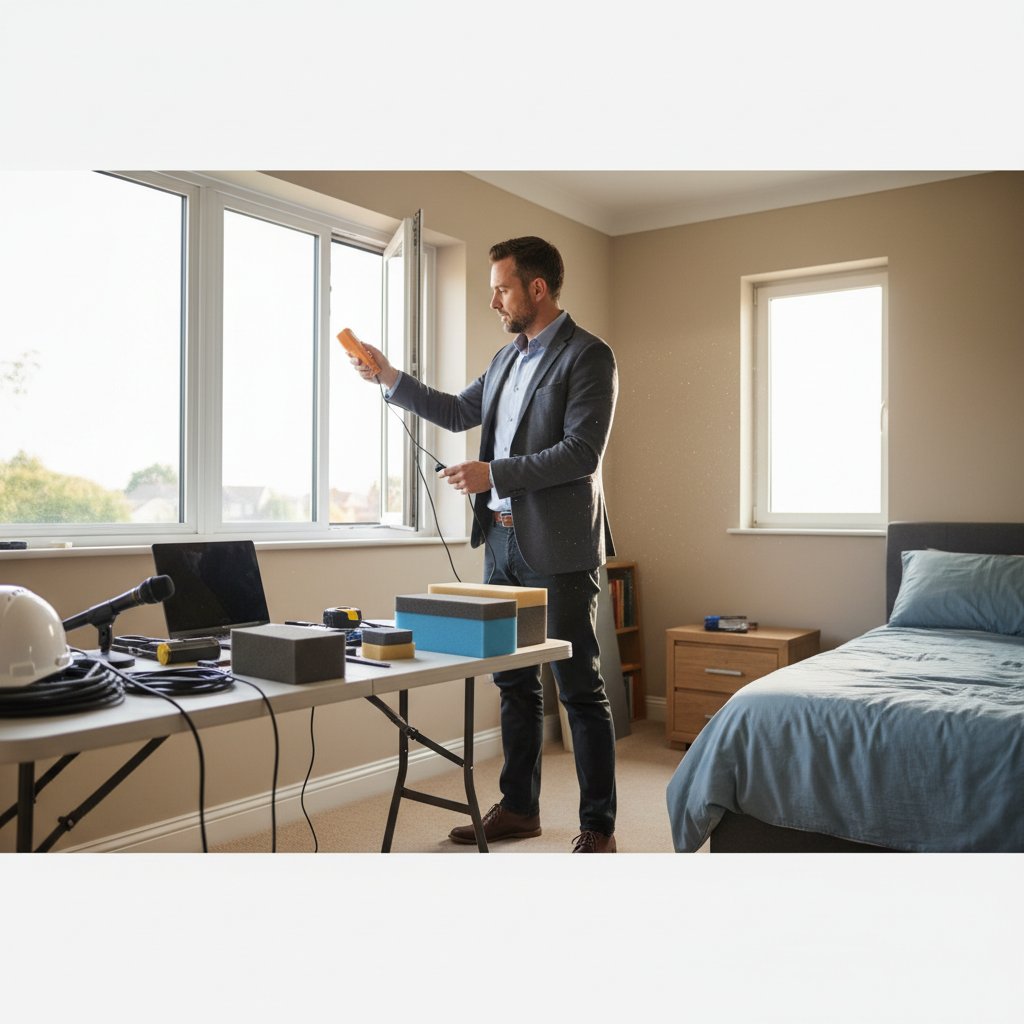
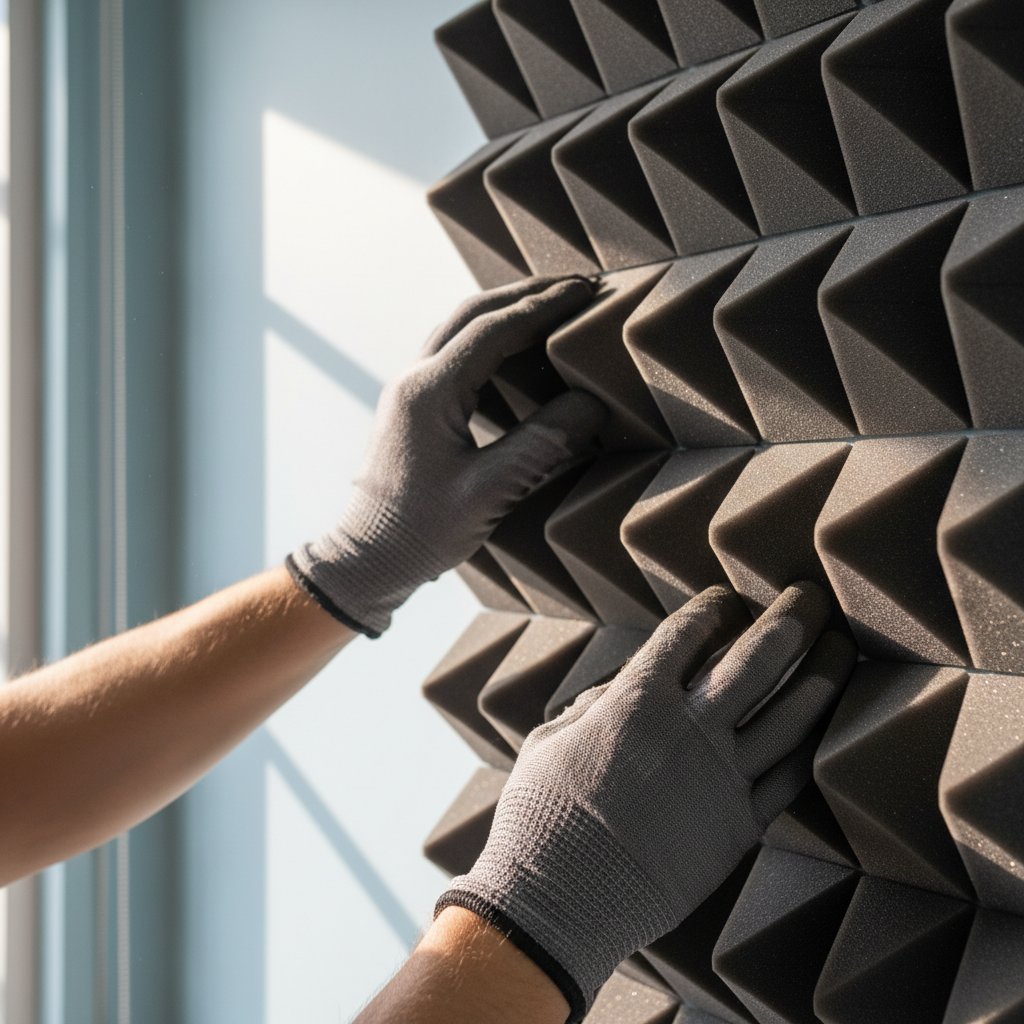
We provide practical acoustic solutions for bedrooms in Singapore's busiest neighborhoods. Our work centers on two proven technologies: double-glazed windows that reduce external noise by 30-45 decibels, and acoustic foam panels that control internal sound reflection. These aren't revolutionary concepts, but their proper implementation requires understanding of local building codes, climate considerations, and the specific frequency ranges of urban noise.
Our approach is built on measurable outcomes rather than promises. Before any installation, we conduct sound level measurements using calibrated equipment. After completion, we verify the reduction achieved. This data-driven method ensures clients know exactly what improvement to expect.
Every installation follows acoustic engineering principles. We calculate optimal foam placement based on room dimensions and use laminated glass with specific air gap measurements in our double-glazing systems.
Clients receive detailed specifications of materials used, including glass thickness (typically 6mm-10mm), foam density ratings, and expected performance metrics before work begins.
Eight years working exclusively in Singapore means we understand HDB regulations, condominium management requirements, and the acoustic challenges specific to different neighborhoods.
Since 2016, our team has completed over 850 bedroom soundproofing projects across Singapore. Our specialists hold certifications in acoustic engineering and glazing installation. We maintain partnerships with suppliers of acoustic materials that meet Singapore's tropical climate requirements, ensuring foam doesn't degrade in humidity and window seals remain effective.
Our typical project involves assessment (1-2 hours), custom measurement and ordering (3-5 days), and installation (1-2 days for an average bedroom). We work with both HDB flats and private residences, adapting our methods to each building type's structural requirements.