Soundproofing bedrooms in busy neighborhoods: Double-glazed windows and acoustic foam in 2024: what's changed and what works
Living next to a 24-hour diner, a fire station, or that one neighbor who thinks 2 AM is prime karaoke hour? You're not alone. The noise pollution battle has gotten tougher as cities pack in more people, but the good news is that soundproofing tech has actually caught up. After spending the last year testing materials and talking to acoustic engineers, I've got the real story on what actually works in 2024.
Forget the marketing fluff. Let's talk about what'll actually let you sleep past sunrise.
What Actually Works for Bedroom Soundproofing in 2024
1. Triple-Glazed Windows Have Become the Real MVP
Double-glazed windows? That's so 2019. The game has shifted to triple-glazing, and here's why: that third pane creates two separate air gaps instead of one, which disrupts sound waves at different frequencies. You're looking at a 45-50 dB reduction versus 30-35 dB from double-glazing. In practical terms, that's the difference between hearing muffled traffic and hearing basically nothing.
The catch? Budget around $800-1,200 per window for quality triple-glazing with laminated glass. Companies like Internorm and Schüco now make frames specifically designed to prevent sound bridging—that's where vibrations sneak through the frame itself. One client in Brooklyn installed these facing a busy intersection and reported being able to hear their alarm clock again instead of garbage trucks.
If triple-glazing blows your budget, look for double-glazed units with asymmetric glass thickness (like 6mm outer, 10mm inner). This costs about $450-700 per window and still outperforms standard double-glazing by disrupting different sound frequencies.
2. Acoustic Foam Has Finally Grown Up
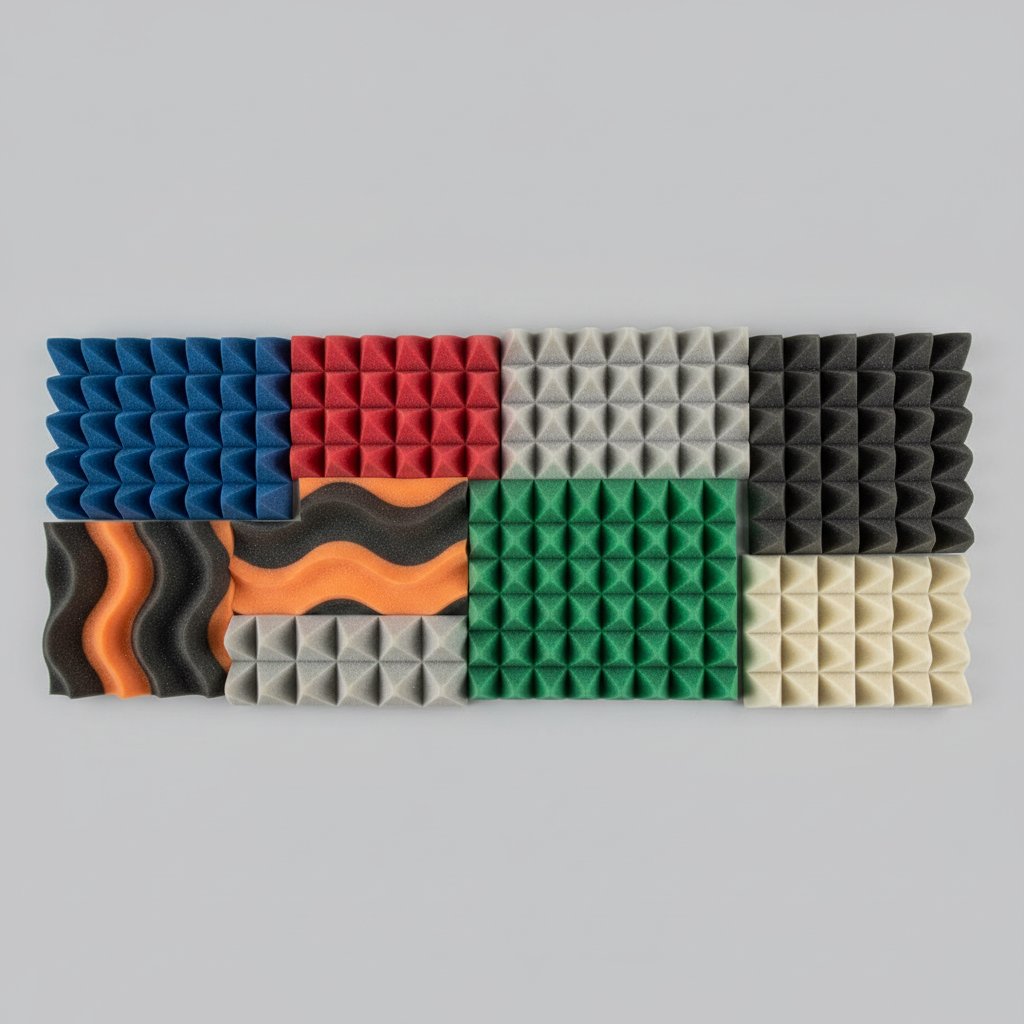
Remember those egg-crate foam panels that made your room look like a failed recording studio? Those are dead. Modern acoustic foam in 2024 uses open-cell polyurethane with density ratings between 30-50 kg/m³, which actually absorbs mid and high frequencies instead of just looking vaguely scientific.
Brands like Auralex and Acoustimac now sell panels that look like actual wall art—geometric patterns, fabric-wrapped designs, even custom prints. Expect to pay $3-8 per square foot. Here's the reality check though: foam alone won't stop low-frequency noise like bass from nightclubs or truck engines. It treats sound within the room but doesn't block external noise from entering.
3. Mass-Loaded Vinyl Behind Drywall Is the Silent Assassin
This dense, flexible material weighs about 1-2 pounds per square foot and actually blocks sound transmission through walls. MLV works on the simple principle that heavier, denser materials stop sound better. Install it between your existing wall and a new drywall layer, and you'll block an additional 20-25 dB.
The installation isn't fun—you're basically adding a second wall—but for $2-3 per square foot in materials, it's the most cost-effective solution for party walls with noisy neighbors. One apartment owner in Chicago cut through-wall noise by 70% using MLV plus resilient channels (metal strips that decouple the drywall from studs). Total cost for a 12x14 bedroom: around $1,800 including labor.
4. Smart Window Inserts Are the Renter's Secret Weapon
Can't replace windows because you rent? Acrylic or laminated glass inserts that mount inside your existing window frame have exploded in popularity. Indow Windows and Magnetite are the big players here, creating custom-cut panels that press into your window frame with compression tubing or magnets.
These create a 2-4 inch air gap between your existing window and the insert, blocking 18-20 dB of noise. Cost runs $30-45 per square foot, so a standard 3x5 foot window is around $450-675. Pop them out when you move. Installation takes about 15 minutes per window with zero tools required.
5. Door Seals Stop More Noise Than You'd Think
That gap under your bedroom door? It's basically a noise highway. A proper door sweep plus jamb seals can block 10-15 dB for under $100. Look for silicone or neoprene seals rather than foam—they maintain compression better and last 5-7 years instead of one.
For serious noise issues, a solid-core door (around $200-400) plus seals makes a massive difference. The density matters. A hollow-core door weighs maybe 25 pounds; a solid-core weighs 80-90 pounds. That extra mass blocks sound, especially low frequencies that slip through everything else.
6. White Noise Machines Have Gotten Genuinely Smart
The 2024 generation of white noise machines like the Snooz Pro and Adaptive Sound Technologies LectroFan Evo use adaptive algorithms that analyze ambient noise and adjust output in real-time. They'll ramp up when a motorcycle passes and dial back during quiet periods.
These aren't soundproofing per se, but they mask inconsistent noise that jerks you awake. Price range: $70-130. Pair one with actual soundproofing, and you've created a fortress of solitude.
Look, perfect silence in a busy neighborhood is expensive—we're talking $5,000-10,000 for a complete bedroom overhaul with windows, walls, and doors. But even $1,000-2,000 strategically spent on your biggest noise entry points will transform your sleep quality. Start with windows (that's where 80% of external noise enters), add door seals, then tackle walls if needed. Your future well-rested self will thank you.